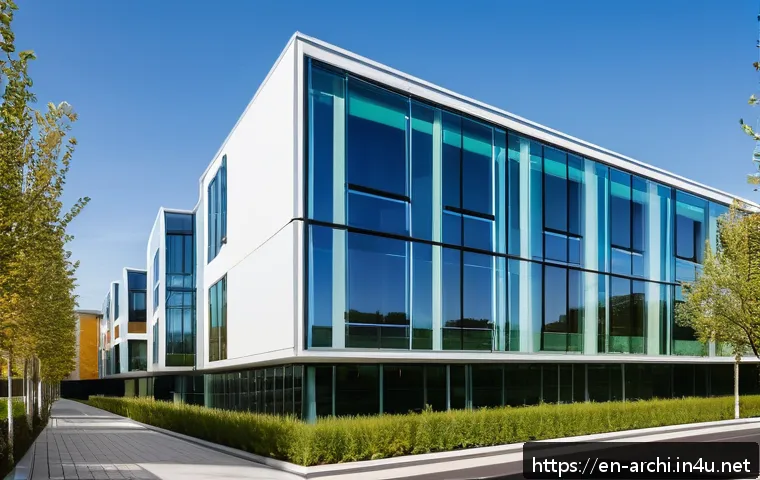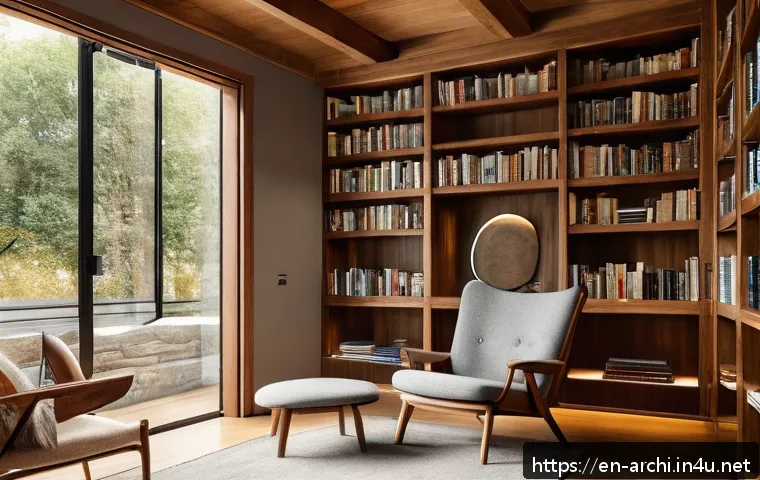
In today’s fast-paced world, the way we experience spaces has evolved beyond mere functionality. Lighting design now plays a pivotal role in shaping how architectural environments feel and interact with us on a personal level.
As smart lighting technologies and sustainable solutions gain momentum, integrating thoughtful lighting strategies can transform any space into a dynamic living experience.
From cozy homes to innovative commercial hubs, the subtle art of illumination enhances mood, guides movement, and highlights design details in ways that truly captivate.
Let’s explore how mastering lighting design can elevate architecture from static structures to immersive, emotionally engaging environments.
Crafting Atmosphere Through Layered Lighting
Balancing Ambient, Task, and Accent Illumination
When stepping into a thoughtfully lit space, it’s rarely the result of a single light source. Instead, it’s the careful layering of ambient, task, and accent lighting that brings depth and functionality to an environment.
Ambient lighting provides the general glow, setting the tone without overwhelming the senses. Task lighting zooms in where precision matters—think kitchen counters or office desks—ensuring clarity without harsh shadows.
Accent lighting then adds drama and focus, highlighting artwork, architectural features, or textured walls. From personal experience, blending these layers with dimmers and smart controls creates a dynamic environment that adjusts seamlessly throughout the day, fostering comfort and productivity.
How Color Temperature Shapes Perception
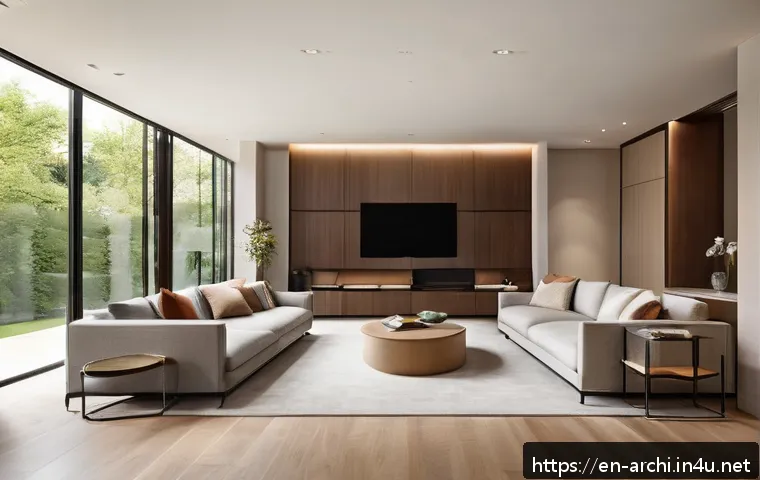
The warmth or coolness of light dramatically influences how we perceive a space. Warmer tones tend to evoke coziness and relaxation, making them ideal for living rooms and bedrooms.
Cooler temperatures, on the other hand, energize and sharpen focus, perfect for workspaces and retail environments. I’ve noticed that even subtle shifts in color temperature can alter mood and behavior—something that’s especially crucial in commercial settings where customer experience is king.
Leveraging tunable white LEDs now offers unprecedented control, allowing spaces to mimic natural daylight rhythms or switch to inviting amber hues as evening falls.
Smart Controls: Personalizing the Lighting Experience
Integrating smart lighting systems has revolutionized how users interact with their environments. Beyond the convenience of voice commands and mobile apps, these systems learn daily routines and adjust lighting automatically to match activities or moods.
For instance, in my home, the lights gradually brighten in the morning to ease waking up, then shift to cooler tones during work hours before softening at night.
This personalization not only enhances comfort but also encourages energy efficiency. Smart sensors also adapt lighting based on occupancy and natural light availability, reducing waste without sacrificing ambiance.
Enhancing Architectural Details with Precision Lighting
Highlighting Textures and Materials
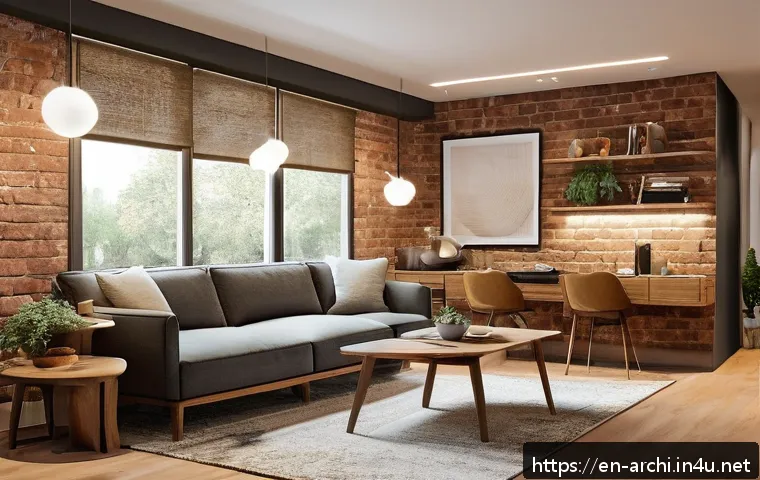
Architectural elements like brick walls, wood grains, or stone surfaces come alive when illuminated thoughtfully. Directional lighting techniques such as grazing—where light skims the surface—accentuate textures, adding richness and tactile appeal.
I’ve often seen spaces transformed by this approach; a plain wall suddenly becomes a captivating focal point. This technique also helps architects and designers showcase craftsmanship that might otherwise go unnoticed under flat lighting.
It’s a subtle but powerful tool to evoke emotion and invite closer inspection.
Creating Depth and Dimension in Open Spaces
Open-plan layouts can sometimes feel cold or impersonal without proper lighting strategies. Using layered lighting with varying intensities and angles helps carve out zones within larger spaces, guiding movement and defining function.
For example, softer ambient light can unify the room, while brighter task lights designate work areas and accent lights draw attention to seating clusters or artwork.
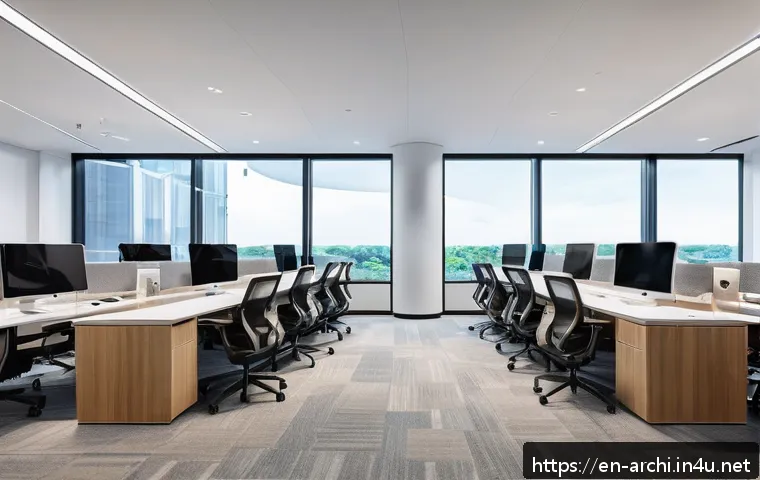
In commercial settings, this approach encourages exploration and comfort, making customers linger longer. I’ve found that thoughtful illumination can truly turn an empty hall or a large office into a place where people want to spend time.
Dynamic Lighting for Adaptive Environments
In spaces that serve multiple purposes, dynamic lighting solutions allow quick transformations to suit changing needs. Conference rooms might switch from bright, focused lighting for meetings to dimmed, warm settings for social events.
Museums and galleries use adjustable spotlights to refresh exhibits without rewiring. From my experience collaborating with interior designers, incorporating flexible fixtures and modular systems saves time and adds value by future-proofing spaces.
The ability to easily tweak lighting scenes also empowers users to express personality and mood through their environment.
Energy Efficiency Meets Aesthetic Appeal
LED Technology: The Backbone of Modern Lighting
LEDs have become the go-to solution for sustainable lighting, combining longevity with low energy consumption. Their compact size allows for creative fixture designs that were impossible with traditional bulbs.
I’ve installed LED strips to highlight architectural niches and used adjustable LED downlights to create intimate atmospheres in restaurants—all while slashing electricity bills.
The reduced heat output also contributes to cooler interiors, lowering air conditioning costs. This technology’s evolution continues to open new doors for designers and homeowners alike.
Harnessing Natural Light with Smart Integration
Maximizing daylight through window placement, skylights, and reflective surfaces reduces reliance on artificial lighting. But the real magic happens when natural light is integrated with smart controls that adjust indoor lighting based on outdoor conditions.
For example, automatic dimming during bright afternoons or warmer light shifts as the sun sets create seamless transitions. I’ve worked on projects where this approach not only enhanced occupant well-being but also earned valuable green building certifications.
It’s a win-win for comfort and sustainability.
Cost-Benefit Analysis of Sustainable Lighting Solutions
While upfront investments in energy-efficient lighting can seem steep, the long-term savings and environmental benefits are undeniable. Here’s a simplified comparison based on typical residential and commercial applications:
| Lighting Type | Initial Cost | Energy Consumption | Lifespan | Maintenance Frequency | Environmental Impact |
|---|---|---|---|---|---|
| Incandescent | Low | High | 1,000 hrs | High | High |
| Compact Fluorescent (CFL) | Moderate | Moderate | 8,000 hrs | Moderate | Moderate |
| LED | High | Low | 25,000+ hrs | Low | Low |
From personal experience, the initial premium of LED lighting pays off quickly through lower energy bills and fewer replacements, making it a smart choice for both budget and planet.
Emotional Resonance Through Lighting Design
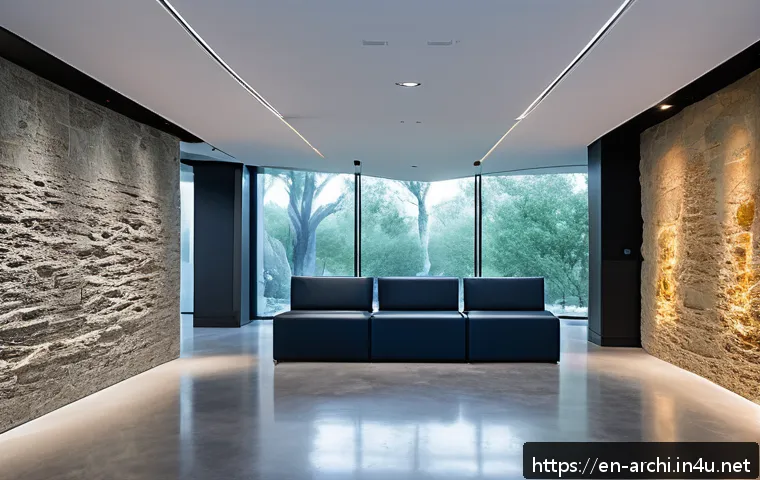
Using Light to Influence Mood and Behavior
Lighting profoundly impacts our emotions—something that’s often underestimated. Bright, cool light can energize and stimulate alertness, which is why offices and gyms favor such settings.
Conversely, dimmed, warm light encourages relaxation and intimacy, ideal for dining areas or lounges. I recall visiting a boutique hotel where lighting was masterfully adjusted throughout the day to match the desired emotional tone, making the experience memorable and inviting.
This emotional connection with light enhances user satisfaction and overall well-being.
Biophilic Design and Circadian Rhythms
Incorporating natural light patterns into artificial lighting schemes supports our biological clocks, improving sleep, mood, and productivity. By mimicking sunrise and sunset hues, lighting can gently cue our bodies to wake or wind down.
I’ve experimented with circadian lighting systems at home and noticed a marked improvement in my sleep quality and daytime focus. Such designs marry technology with nature, creating environments that nurture rather than disrupt our natural rhythms.
Personal Stories: Lighting That Transforms Daily Life
One of my favorite examples is a friend’s home office setup, where layered lighting and adjustable color temperatures have turned a once dull space into a stimulating yet cozy nook.
They reported feeling less eye strain and more motivated, especially during long workdays. These small but impactful changes highlight how lighting isn’t just about visibility—it’s about crafting experiences that uplift and inspire daily.
Innovations Shaping the Future of Lighting
Human-Centric Lighting Systems
The latest trend focuses on lighting that adapts to human needs rather than just space requirements. Sensors track activity, mood, and even health indicators to tailor lighting in real time.
I recently tried a human-centric lighting app that adjusted bedroom lights based on my sleep cycles, resulting in a more restful night. This technology promises to revolutionize wellness by integrating lighting into holistic lifestyle management.
Integration with IoT and Building Automation
Smart buildings are becoming the norm, where lighting systems communicate with HVAC, security, and occupancy sensors to optimize comfort and efficiency.
This interconnectedness reduces energy waste and enhances user control. From my observations working in commercial environments, such integration also simplifies facility management and improves occupant satisfaction by creating responsive, intuitive spaces.
Creative Expression Through Dynamic Fixtures
Lighting is increasingly seen as an art form, with designers experimenting with color-changing LEDs, kinetic fixtures, and interactive installations. These innovations allow buildings to tell stories, celebrate events, or respond to environmental cues in real time.
I had the chance to visit a retail space where lighting shifted colors based on customer flow and time of day, creating an engaging atmosphere that boosted sales and brand perception.
The future of lighting is not just functional—it’s expressive and immersive.
Closing Thoughts
Lighting is far more than just illumination—it shapes our moods, enhances spaces, and supports our daily activities in subtle yet powerful ways. By thoughtfully layering different types of lighting and embracing modern technology, we can create environments that feel both functional and inviting. Whether for home or commercial use, investing in smart, adaptable lighting designs pays dividends in comfort, aesthetics, and energy efficiency.
Helpful Insights
1. Layered lighting balances ambient, task, and accent lights to add depth and flexibility to any space.
2. Color temperature influences mood—warm tones promote relaxation, while cool tones boost focus and energy.
3. Smart lighting systems personalize your environment by learning routines and adjusting automatically.
4. LED technology combines energy efficiency with creative design possibilities and long lifespan.
5. Integrating natural light with smart controls enhances wellbeing and reduces energy consumption.
Key Takeaways
Effective lighting design blends multiple layers and color temperatures to suit different functions and moods. Incorporating smart controls and energy-efficient technologies like LEDs not only elevates aesthetics but also promotes sustainability and cost savings. Emphasizing architectural details through precise lighting enriches spatial experience, while human-centric and IoT-integrated systems are shaping the future of personalized, adaptive environments. Ultimately, lighting should serve both practical needs and emotional resonance to truly transform how we live and work.
Frequently Asked Questions (FAQ) 📖
Q: uestions about Lighting Design in
A: rchitecture
Q: How does lighting design impact the mood and functionality of a space?
A: Lighting design goes beyond simply illuminating a room; it profoundly influences how we feel and behave within that environment. For example, warm, dimmable lights in a living room can create a cozy, relaxing atmosphere, encouraging comfort and social interaction.
On the other hand, bright, focused lighting in a workspace boosts concentration and productivity. From my experience, when lighting is thoughtfully planned, it subtly guides movement, highlights architectural features, and enhances the overall ambiance, making spaces feel more inviting and purposeful.
Q: What are the benefits of integrating smart lighting technologies in modern architecture?
A: Smart lighting offers incredible flexibility and energy efficiency that traditional systems can’t match. Using apps or voice control, you can adjust brightness, color temperature, and even schedule lighting changes to suit different times of day or activities.
Personally, I’ve found that smart lighting not only reduces energy bills but also adds a layer of personalization—imagine waking up to gradually brightening lights that mimic sunrise or setting a calming blue tone in the evening to wind down.
These features transform static lighting into dynamic experiences tailored to your lifestyle.
Q: How can sustainable lighting solutions contribute to both environmental goals and design aesthetics?
A: Sustainable lighting, such as LED fixtures and daylight harvesting systems, significantly cuts down energy consumption while offering designers greater creative freedom.
In practice, combining natural light with energy-efficient artificial sources creates balanced, vibrant spaces that feel alive and reduce carbon footprints.
From my observations, buildings that prioritize sustainability often boast innovative lighting layouts that blend form and function beautifully—like using solar-powered outdoor lights that enhance safety and charm without relying on the grid.
This approach supports eco-friendly living without compromising style or comfort.