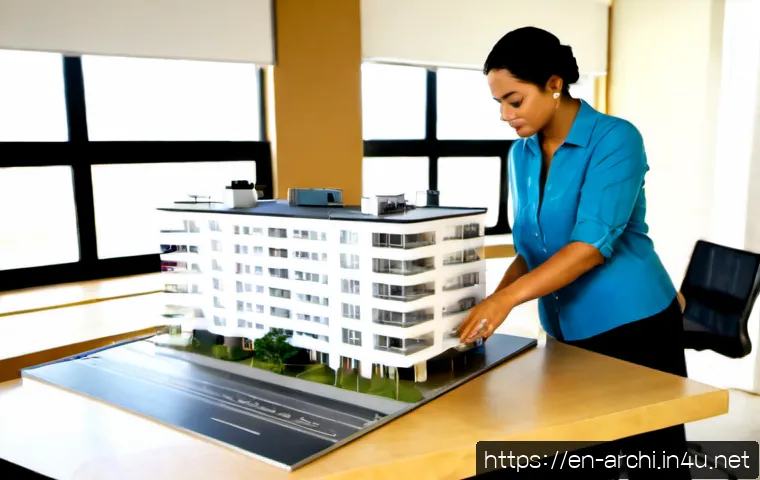
Ethical architecture means protecting people, place, and long-term public value—not simply meeting the minimum code requirement. Specialist advice is most useful when a project involves uncertain accessibility needs, environmental claims, heritage concerns, complex public impacts, or unclear risk ownership.
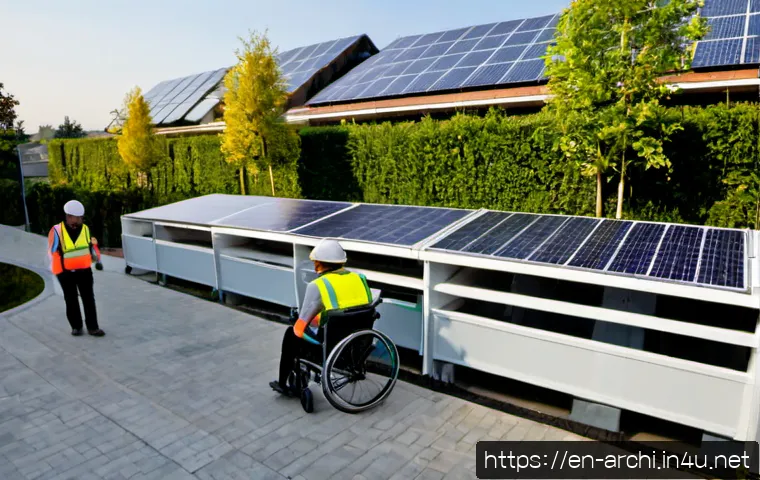
For clients, developers, and design managers, the practical task is to compare trade-offs before they become expensive late-stage changes. A strong architecture firm selection process should examine scope, accountability, professional liability coverage, and reporting—not design imagery alone.
Independent design consulting can add value when it tests important assumptions rather than repeating work already covered by the project team.
Quick Overview
- Ethical design considers safety, access, environmental impact, and community effects alongside budget and schedule.
- Code compliance is essential, but it may not settle every question about fairness, long-term value, or stakeholder impact.
- Independent review can be useful when the team lacks specialist expertise or when accountability is unclear.
| Review Approach | Best Fit | Key Strength | What to Confirm |
|---|---|---|---|
| In-house review | Projects with an experienced internal team and clear scope | Fast coordination with budget and program decisions | Whether accessibility, carbon, heritage, or code-risk expertise is available internally |
| Independent consultant | Projects with sensitive risks or contested decisions | A separate perspective on assumptions, documentation, and accountability | Scope, credentials, professional liability coverage, reporting format, and independence |
| Multidisciplinary design team | Complex public, mixed-use, healthcare, education, or technology-enabled projects | Earlier coordination across design, sustainability, access, and operational concerns | Who owns each decision and how conflicts between disciplines are resolved |
What Ethical Architecture Looks Like in Real Project Decisions
The short answer: protect people, place, and long-term public value
Ethical architecture asks a simple question before approval: who benefits, who carries the risk, and what remains after the project is built? A design may look efficient in a proposal while creating avoidable barriers for users, neighbors, maintenance teams, or future occupants. Responsible design does not require every project to solve every social problem. It does require teams to identify material impacts and make trade-offs openly.
Why code compliance alone may not resolve an ethical concern
Applicable building codes and professional rules vary by location, project type, contract, and authority. Meeting them is necessary, but ethical responsibility can extend further. For example, a compliant solution may still be difficult to use, make unsupported green claims, or shift future operating burdens to others. Treat compliance as a baseline, then ask whether the decision is understandable, durable, and fair to affected groups.
The stakeholders affected beyond the paying client
The client is central, but not the only stakeholder. Occupants, visitors, nearby residents, facilities teams, public agencies, and future owners may experience the consequences of design choices. Project teams should identify these groups early and record which concerns are within scope. This makes later discussions about responsible design more specific and less reactive.
Compare the Main Ethical Priorities Before Approving a Design
Safety, accessibility, affordability, environmental impact, and cultural context
A useful design review separates priorities instead of combining them into a vague promise of “good design.” Safety addresses foreseeable harm. Accessibility considers whether people can approach, enter, move through, and use a place with dignity. Affordability looks beyond initial construction decisions. Environmental impact concerns material choices, energy assumptions, and long-term operation. Cultural context asks whether the project respects the character, history, and lived experience of its setting.
A practical trade-off table for budget, schedule, performance, and social impact
| Decision Area | Short-Term Pressure | Ethical Review Question |
|---|---|---|
| Budget | Reduce immediate scope or specification cost | Does the saving create a foreseeable burden for users, operators, or the surrounding community? |
| Schedule | Approve before all assumptions are tested | Which unresolved issue could cause the greatest harm or dispute if delayed? |
| Performance | Use broad sustainability language | What evidence supports the stated performance claim, and who will verify it? |
| Social impact | Limit engagement to the minimum required process | Have affected groups had a meaningful opportunity to identify practical impacts? |
When the lowest initial-cost option creates higher long-term risk
The lowest bid or least expensive design option is not automatically the lowest-risk option. A reduced scope can leave access issues unresolved, weaken documentation, or create uncertainty about who is accountable later. Before selecting an architecture firm or approving a design-services proposal, compare what is included: review stages, coordination duties, design assumptions, risk reporting, and specialist input. Price matters, but it should be compared against the quality and clarity of the deliverables.
Common Ethical Risks in Architectural Practice
Accessibility treated as a late-stage requirement
Access is harder to improve when it is treated as a final checklist item. Early planning should consider routes, spaces, interfaces, communication, and user needs as part of the design brief. If a project team is unsure whether its internal review is sufficient, an independent accessibility consultant may help identify questions that need closer examination.
Green claims without measurable performance evidence
Sustainable architecture should avoid claims that are broader than the available evidence. Teams can document what is being assessed, which assumptions are being used, and what outcomes remain uncertain. Sustainability consulting is most helpful when it clarifies decisions and reporting rather than adding labels without a defined purpose.
Community displacement, privacy, surveillance, and unequal access
New development can affect who feels welcome, who can use the space, and who bears unintended consequences. Technology-enabled buildings may also raise privacy and surveillance questions. These concerns are context-specific, so they should be discussed with appropriate stakeholders and reviewed against local requirements. Avoid assuming that one engagement method or design response fits every community.
Conflicts of interest, procurement pressure, and unclear accountability
Ethical problems often appear when decision-making is rushed or responsibility is blurred. A consultant may be asked to validate a preferred outcome rather than assess it. A procurement process may focus narrowly on price. Clear records help: state who made the decision, what information was considered, what trade-off was accepted, and who is responsible for the next review.
A Practical Review Process for Design Teams and Clients
Define non-negotiables in the project brief
Start with a short list of non-negotiables. These may include safe use, inclusive access, honest environmental reporting, community considerations, or protection of significant existing features. The list should be specific enough to guide choices but flexible enough to account for site conditions and specialist advice.
Document assumptions, trade-offs, and stakeholder feedback
Keep a decision record that explains major assumptions and alternatives considered. This does not need to be complicated. It should show why a choice was made, what remains to be verified, and whether stakeholder feedback changed the design. Good documentation supports accountable project delivery and gives clients a clearer basis for comparing architecture consulting proposals.

Know when to bring in accessibility, sustainability, heritage, or legal specialists
Bring in specialist design advice when the issue is material, the internal team lacks relevant experience, or the consequences of being wrong could be significant. A specialist should have a defined question to answer and a clear reporting deliverable. Legal duties, professional conduct obligations, and insurance requirements require location-specific confirmation from appropriately qualified professionals.
Ethical Priorities by Project Situation
Housing and mixed-use developments
Housing decisions can affect affordability, usable access, privacy, neighborhood change, and the quality of shared spaces. Review who will use the project at different times and whether the design places unequal burdens on particular residents or neighbors.
Schools, healthcare, and other public-serving buildings
Public-serving buildings require careful attention to safety, access, dignity, and operational reality. Consultations should consider users beyond the client representative, including staff, visitors, and people with varying needs. Independent review can be worthwhile where the project team needs a focused assessment of accessibility or stakeholder impacts.
Renovations, adaptive reuse, and historically sensitive sites
These projects often involve tension between preservation, safety upgrades, new uses, and environmental goals. Avoid treating either retention or replacement as an automatic ethical answer. A heritage or conservation specialist can help clarify what should be assessed before irreversible decisions are made.
Commercial workplaces and technology-enabled buildings
Workplace design can raise questions about inclusion, privacy, monitoring, and equal access to facilities. Teams should understand how technology features affect occupants and visitors, who controls the data or systems, and whether the design creates different experiences for different users.
Selection Criteria and Comparison Summary
Before appointing an architecture firm, sustainability consultant, or independent reviewer, compare scope, relevant credentials, professional liability coverage, risk-management process, and reporting deliverables. Ask whether the proposal identifies who will review accessibility, environmental claims, stakeholder concerns, and code-related assumptions. Check whether the consultant will provide a documented assessment or only informal input. Confirm how conflicts of interest are managed and who remains accountable for final decisions. Official service descriptions and detailed engagement conditions are the right place to verify scope and insurance information.
In Closing
Ethical design is not a separate style of architecture. It is a disciplined way of making decisions when cost, speed, performance, and public impact do not align perfectly. The strongest teams define priorities early, record difficult trade-offs, and seek independent expertise when it has a clear purpose. This approach can improve trust without pretending that every project has a simple answer.
Useful Things to Know
1. Ask what evidence supports environmental or performance claims.
2. Treat accessibility as an early design input, not a late correction.
3. Compare professional services proposals by scope and accountability as well as price.
4. Use independent review to test meaningful risks, not to duplicate existing work.
Important Notes
This is a general planning guide, not legal, code, insurance, or professional advice. Requirements vary by country, state, municipality, contract, project type, and site conditions. The ethical suitability of a particular decision depends on stakeholder needs, budget, technical information, and independent professional review where appropriate.
Frequently Asked Questions
Q1. What are the most common ethical issues architects face during design?
A1. Common areas include safety, accessibility, environmental claims, community effects, privacy, conflicts of interest, procurement pressure, and unclear accountability. The importance of each issue depends on the project context and applicable local requirements.
Q2. When should a client hire an independent accessibility or sustainability consultant?
A2. Consider an independent consultant when the project has complex user needs, uncertain performance claims, limited internal expertise, or a decision that could materially affect project risk. Define the review question, scope, credentials, insurance expectations, and reporting deliverable before appointment.
Q3. How can a developer compare architecture firms on ethical and social-impact standards?
A3. Compare scope, relevant experience, risk-management methods, stakeholder approach, professional liability coverage, and the quality of proposed documentation. Ask how the firm records trade-offs, addresses accessibility and sustainability questions, and assigns responsibility when specialist input is needed.