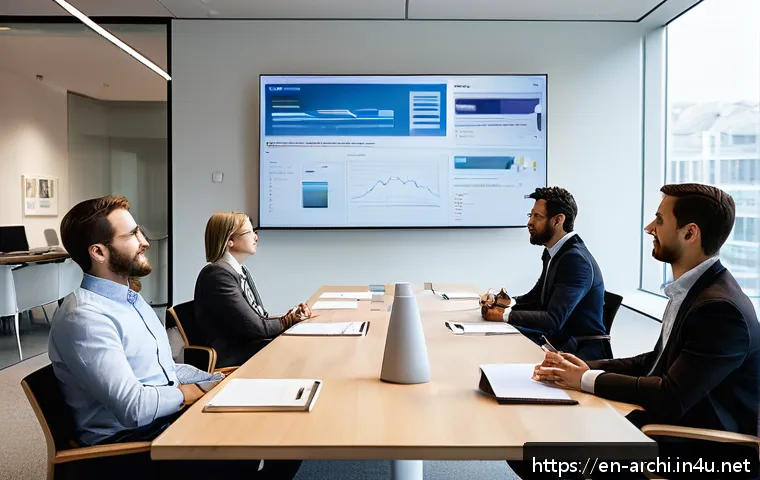
In today’s fast-paced architectural landscape, managing client relationships has become more crucial than ever. With projects growing in complexity and clients expecting transparency and collaboration, the ability to connect and communicate effectively can make or break success.
From my own experience, seamless client management not only smooths project delivery but also builds lasting trust and satisfaction. Let’s explore why this often overlooked aspect stands at the very heart of every thriving architecture project.
Building Bridges Through Clear Communication
Establishing Open Channels from Day One
When I first started managing architecture projects, I realized how crucial it was to set up clear communication lines with clients right from the kickoff meeting.
Without this, misunderstandings creep in, causing delays and frustration. Having an upfront discussion about preferred communication methods—whether emails, video calls, or in-person meetings—helps everyone stay on the same page.
Personally, I found that clients appreciate knowing exactly when and how they can reach out, which fosters a sense of reliability and openness throughout the project.
Active Listening to Grasp Client Vision
Listening is more than just hearing words; it’s about understanding the client’s deeper goals and concerns. I’ve often noticed that clients don’t always articulate their needs perfectly, so it takes patience and probing questions to get to the core of their vision.
This step is vital because architecture isn’t just about structures; it’s about creating spaces that resonate with people’s lifestyles and aspirations.
In my experience, taking the time to truly listen helps avoid costly redesigns later and makes clients feel genuinely heard and valued.
Regular Updates to Avoid Surprises
Keeping clients updated regularly, even when progress is slow or challenges arise, is something I never skip. It might seem tedious, but frequent status reports or informal check-ins prevent surprises and build trust.
I remember one project where unexpected site conditions caused delays; by informing the client immediately and discussing solutions transparently, we maintained a strong partnership despite the hiccups.
This proactive approach is a game-changer in maintaining smooth workflows and client confidence.
Personalizing Client Engagement for Deeper Trust
Understanding Individual Client Preferences
No two clients are alike, and tailoring your approach to each one can make a big difference. Some prefer detailed technical reports, while others want high-level summaries or visual walkthroughs.
Early in my career, I learned to ask clients about their preferred level of detail and adjust accordingly. This small step made them feel respected and catered to, which naturally strengthened our collaboration.
Building Rapport Beyond Project Details
Taking a moment to connect on a personal level—whether it’s discussing a shared interest or remembering a client’s family event—helps break down formal barriers.
From my own experience, these genuine human connections make meetings more enjoyable and clients more comfortable sharing honest feedback. It’s amazing how such simple gestures contribute to smoother problem-solving and stronger partnerships.
Flexibility in Handling Changing Needs
Projects rarely go exactly as planned, and clients’ needs can evolve. I’ve found that being adaptable—willing to revisit designs or timelines without frustration—goes a long way.
When clients see that you’re responsive rather than rigid, they’re more open and cooperative, which makes the whole process less stressful for everyone involved.
Leveraging Technology to Enhance Client Collaboration
Using Project Management Tools for Transparency
Incorporating tools like Trello, Asana, or specialized architecture software has transformed how I keep clients in the loop. These platforms provide real-time access to schedules, deliverables, and revisions, which reduces back-and-forth emails and confusion.
Clients appreciate the transparency, and it saves me time by centralizing communication.
Virtual Reality and 3D Models for Immersive Feedback
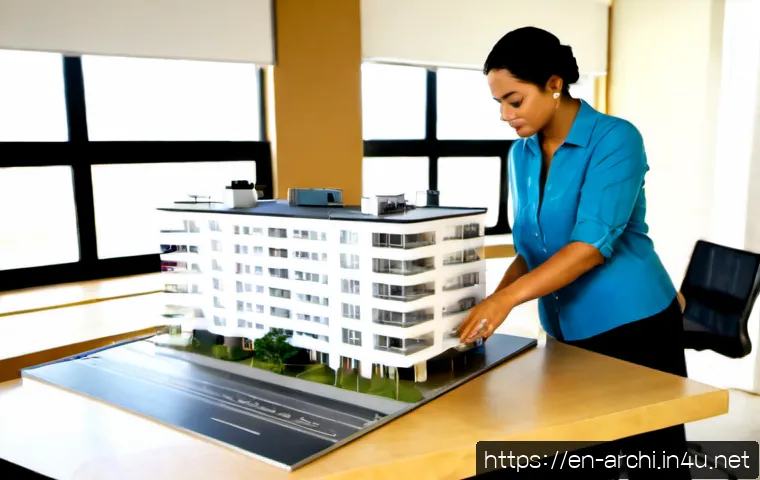
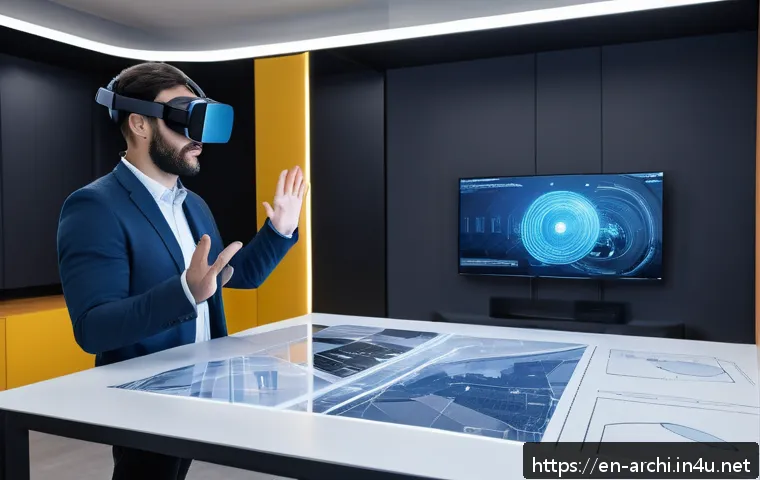
Presenting designs through VR or interactive 3D models is a game-changer for client understanding. When clients can virtually walk through a space, they grasp scale and flow much better than with traditional blueprints.
I’ve witnessed how this technology sparks more engaged discussions and quicker decision-making, ultimately accelerating project timelines.
Cloud Storage for Easy Document Sharing
Sharing drawings, contracts, and updates via cloud storage platforms like Google Drive or Dropbox ensures clients always have access to the latest files.
This reduces version control issues and eliminates delays caused by lost emails or misplaced documents. I make it a point to organize files logically and notify clients promptly when new versions are uploaded.
Handling Conflicts and Challenges Gracefully
Addressing Issues Promptly and Objectively
No matter how well you plan, conflicts can arise—whether over budget, design choices, or timelines. My approach is to tackle these head-on without letting emotions cloud judgment.
By focusing on facts and shared goals, it’s possible to find solutions that satisfy both parties. I remember a project where we had to redesign part of a facade due to zoning laws; by explaining the constraints clearly and offering alternatives, the client stayed engaged rather than frustrated.
Maintaining Professionalism Under Pressure
High-stakes projects can get stressful, and it’s tempting to react emotionally. However, staying calm and professional is key. Clients notice how you handle pressure, and it influences their trust in your capabilities.
I’ve had moments where a client was upset about delays, and by listening calmly and proposing concrete next steps, I was able to de-escalate the situation and keep momentum going.

Learning from Feedback and Mistakes
Every project teaches something new, especially when things don’t go perfectly. I make it a habit to review client feedback thoroughly and reflect on what could be improved.
Sharing these lessons openly with clients shows humility and dedication to growth, which strengthens relationships for future collaborations.
Setting Clear Expectations to Avoid Misunderstandings
Defining Scope and Deliverables in Detail
One of the biggest sources of conflict I’ve seen comes from unclear project scopes. That’s why I insist on detailed contracts and scope documents that outline exactly what’s included, timelines, and responsibilities.
This clarity protects both parties and reduces guesswork.
Discussing Budget Realistically Upfront
Budget is often a sensitive topic, but avoiding it only leads to surprises later. I’ve learned that early, honest conversations about costs and potential contingencies help clients plan better and prevent unrealistic expectations.
Being transparent about where flexibility exists and where it doesn’t builds mutual respect.
Clarifying Communication Protocols
Agreeing on how often updates occur, who the main contact points are, and how urgent issues are handled can prevent many headaches. I’ve found that setting these protocols early creates a smoother workflow and helps everyone know what to expect.
Measuring Client Satisfaction to Foster Long-Term Partnerships
Soliciting Feedback at Key Milestones
Rather than waiting until project completion, I ask clients for feedback at important stages. This ongoing dialogue allows me to address concerns immediately and adjust course if needed.
Clients often appreciate being involved and valued throughout the process, not just at the end.
Tracking Success Beyond Project Delivery
I keep in touch with clients after project handover to learn how the space functions in real life. This follow-up demonstrates commitment and opens doors for future work or referrals.
It’s rewarding to hear that a design truly enhanced their daily lives.
Using Satisfaction Data to Improve Services
Collecting and analyzing client satisfaction data helps identify patterns and areas for improvement. I incorporate these insights into refining my approach, whether it’s communication style, project management, or design processes.
Continuous improvement based on real client experiences is the hallmark of a trusted architecture professional.
| Client Management Aspect | Best Practices | Benefits |
|---|---|---|
| Communication Setup | Define preferred channels and frequency early | Reduces misunderstandings, builds trust |
| Personalization | Adapt communication style to client preferences | Enhances client comfort and engagement |
| Technology Use | Utilize project management and VR tools | Improves transparency and decision-making |
| Conflict Resolution | Address issues promptly with professionalism | Maintains strong client relationships |
| Expectation Management | Clarify scope, budget, and communication protocols | Prevents scope creep and surprises |
| Feedback & Follow-up | Gather input at milestones and post-completion | Drives continuous improvement and repeat business |
In Conclusion
Effective communication is the foundation of successful architecture projects. By establishing clear channels, personalizing interactions, and embracing technology, we can build trust and deliver exceptional results. Handling challenges with professionalism and setting clear expectations further strengthens client relationships. Ultimately, ongoing feedback and follow-up ensure continuous growth and long-term partnerships.
Helpful Information
1. Establish communication preferences early to prevent misunderstandings and build rapport.
2. Tailor your engagement style to each client’s unique needs for better collaboration.
3. Use project management tools and immersive technologies to increase transparency and client involvement.
4. Address conflicts quickly and calmly to maintain trust and project momentum.
5. Collect feedback throughout and after the project to improve services and foster repeat business.
Key Takeaways
Clear communication, personalized client engagement, and smart use of technology are essential for smooth project delivery. Promptly addressing issues and setting realistic expectations help avoid surprises and build confidence. Regular feedback loops not only enhance client satisfaction but also drive continuous improvement, ensuring lasting professional relationships and successful outcomes.
Frequently Asked Questions (FAQ) 📖
Q: uestionsQ1: How can effective communication improve client relationships in architecture projects?
A: From my experience, clear and consistent communication helps manage client expectations and reduces misunderstandings. When clients feel informed and involved, it fosters trust and collaboration, which ultimately leads to smoother project execution and greater satisfaction on both sides.
Q: What strategies can architects use to handle complex client demands without delaying the project?
A: I’ve found that setting realistic timelines upfront and regularly updating clients on progress are key. Using collaborative tools like shared project management platforms also helps keep everyone on the same page.
This proactive approach minimizes surprises and allows for timely adjustments without derailing the schedule.
Q: Why is transparency important in client management within architectural projects?
A: Transparency builds credibility. When clients see that architects are honest about challenges, costs, and timelines, they are more likely to trust the process.
In my projects, being upfront about potential issues helped prevent conflicts and strengthened long-term relationships, making future collaborations easier and more productive.