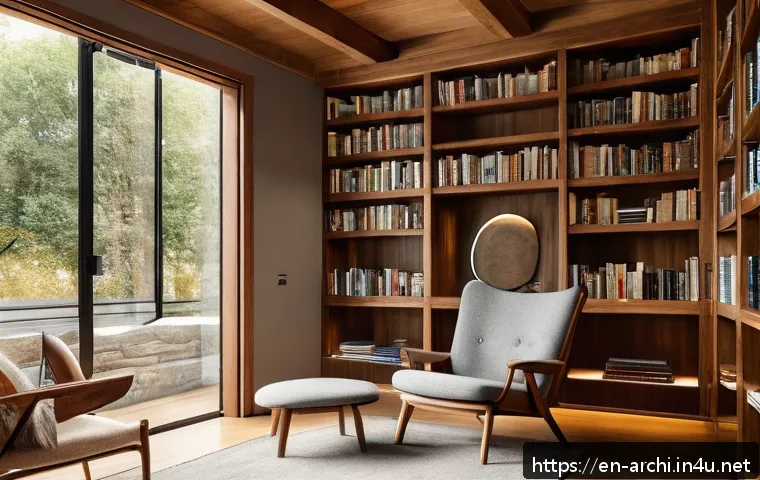
In today’s world, where sustainable and innovative architecture is gaining momentum, mastering lighting design has become more crucial than ever. Lighting doesn’t just illuminate a space—it shapes mood, functionality, and even energy efficiency.
Whether you’re an architect, designer, or simply passionate about creating stunning interiors, understanding the art and science behind lighting can transform ordinary spaces into extraordinary experiences.
Join me as we explore proven strategies and fresh insights to elevate your lighting design skills, making every room both beautiful and practical. Let’s dive into the world where light meets architecture in the most inspiring ways.
Harnessing Natural and Artificial Light for Balanced Ambiance
Optimizing Daylight Through Architectural Elements
Maximizing natural light is often the first step toward a successful lighting design. Large windows, skylights, and light wells are architectural features that can flood interiors with daylight, reducing reliance on artificial sources.
However, it’s not just about quantity—quality matters too. Strategically placed shading devices or light shelves can soften harsh sunlight, prevent glare, and distribute light evenly throughout the space.
From my own projects, incorporating adjustable louvers has been a game-changer, allowing occupants to control daylight based on time of day and season, thus enhancing comfort and saving energy.
Layering Artificial Lighting for Depth and Function
Artificial lighting should complement natural light, not compete with it. A layered approach—combining ambient, task, and accent lighting—creates a dynamic environment that adapts to different activities and moods.
For instance, I’ve found that dimmable LED fixtures enable fine-tuning of brightness, which is invaluable in multifunctional spaces like open-plan offices or living rooms.
Task lighting focused on work surfaces improves productivity, while accent lights highlight architectural details or artworks, adding character and warmth.
Balancing these layers requires thoughtful placement and selection of fixtures, often blending recessed lights, pendants, and wall sconces.
Smart Lighting Controls to Enhance User Experience
Integrating smart controls into lighting systems elevates both convenience and efficiency. Motion sensors, timers, and adaptive controls that adjust based on occupancy or daylight availability reduce wasted energy and extend fixture lifespan.
In my experience, clients appreciate the intuitive interfaces that allow customized scenes—for example, a “movie night” setting dims overhead lights and activates subtle floor lamps.
These technologies also support sustainability goals, as they encourage mindful use of lighting without sacrificing ambiance or functionality.
Choosing Color Temperature and Intensity for Emotional Impact
The Psychology Behind Warm and Cool Lights
Color temperature profoundly influences how a space feels. Warmer hues (2700K to 3000K) evoke coziness and relaxation, perfect for bedrooms and lounges, while cooler tones (4000K to 5000K) promote alertness and clarity, ideal for kitchens or workspaces.
I’ve noticed that mixing temperatures within a room can create zones that support different activities—warm light near seating areas and cooler light near desks, for example.
This nuanced approach helps occupants subconsciously associate lighting with specific moods or functions, enhancing overall satisfaction.
Adjusting Brightness to Suit Activities and Times
Light intensity is another critical factor. Overly bright environments can cause discomfort and fatigue, while dim settings might hinder productivity.
Installing fixtures with adjustable brightness allows users to tailor lighting to current needs. From personal experience, using scenes that change brightness throughout the day—brighter in the morning, softer in the evening—aligns lighting with natural circadian rhythms, improving well-being.
This adaptability is especially important in residential spaces, where activities and preferences vary widely.
Impact of Lighting on Color Perception and Space
The way light renders colors can dramatically affect interior aesthetics. High CRI (Color Rendering Index) lighting reveals true colors, enhancing materials’ textures and finishes.
I always recommend CRI above 90 for spaces where visual accuracy matters, such as art galleries or retail stores. Additionally, brighter, cooler lights can make small rooms feel larger and more open, while warm, softer lighting tends to shrink spaces but boost intimacy.
Understanding these effects empowers designers to manipulate spatial perception creatively.
Energy Efficiency Without Compromising Design
LED Technology Advancements and Benefits
LED lighting has revolutionized energy efficiency in architecture. Not only do LEDs consume significantly less power than incandescent or fluorescent bulbs, but their longevity also reduces maintenance costs.
From my hands-on experience, LEDs provide versatile design options because they come in various shapes, sizes, and color temperatures. They can be seamlessly integrated into slim profiles or hidden fixtures, preserving architectural intent while delivering superior performance.
Additionally, LEDs emit minimal heat, which helps reduce cooling loads in climate-controlled environments.
Incorporating Daylight Harvesting Systems
Daylight harvesting uses sensors to adjust artificial lighting based on natural light availability, ensuring optimal brightness with minimal energy use.
Implementing these systems requires careful calibration and integration with building automation. I’ve collaborated on projects where daylight sensors were paired with motorized shades, creating a responsive environment that balances comfort and efficiency.
This not only cuts electricity bills but also enhances occupant satisfaction by maintaining consistent illumination levels.
Choosing Sustainable Materials and Fixtures
Sustainability in lighting extends beyond energy consumption to include materials and manufacturing processes. Fixtures made from recycled metals or sustainably sourced wood add an eco-friendly dimension to design.
I’ve personally favored brands that prioritize circular economy principles, ensuring components can be reused or recycled at end-of-life. Such choices resonate well with environmentally conscious clients and contribute to green building certifications like LEED or WELL.
Designing for Different Spaces and Functions
Lighting Strategies for Residential Interiors
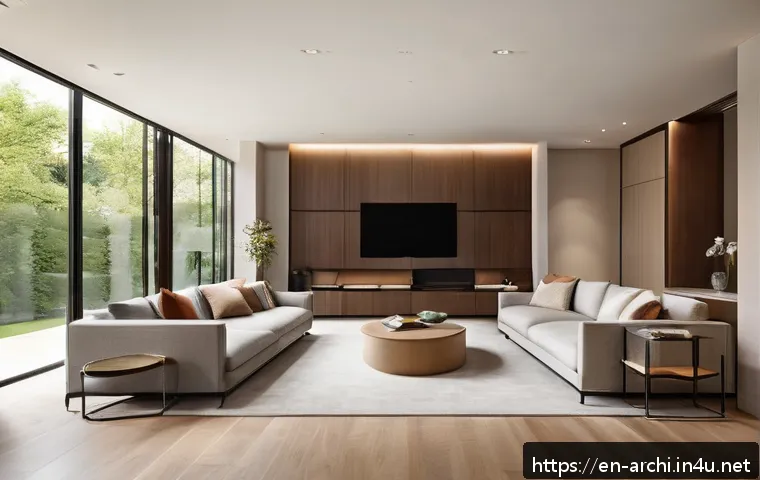
Homes require a blend of comfort, functionality, and style. Layered lighting with dimmers and warm color temperatures creates inviting atmospheres. In my experience, kitchens benefit from bright task lighting above counters and softer ambient lights elsewhere to maintain balance.
Bedrooms and living rooms call for more adjustable and mood-oriented solutions, like bedside lamps and indirect cove lighting. Incorporating smart controls also allows homeowners to personalize scenes easily.
Commercial Spaces: Balancing Productivity and Aesthetics
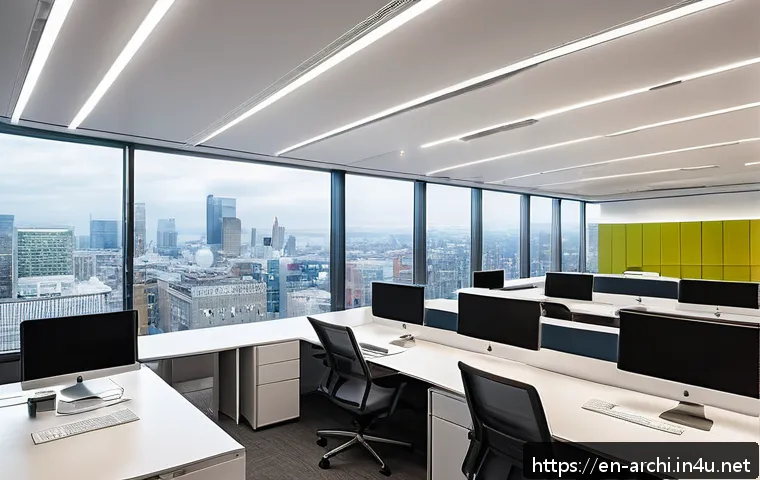
In offices and retail environments, lighting influences both performance and brand image. Bright, uniform lighting supports focus and reduces eye strain, while accent lighting can highlight merchandise or architectural features.
I’ve observed that incorporating daylight and providing individual control over desk lighting significantly boosts employee satisfaction. Moreover, energy-efficient solutions reduce operational costs, which is a key consideration for businesses.
Hospitality Lighting: Creating Memorable Experiences
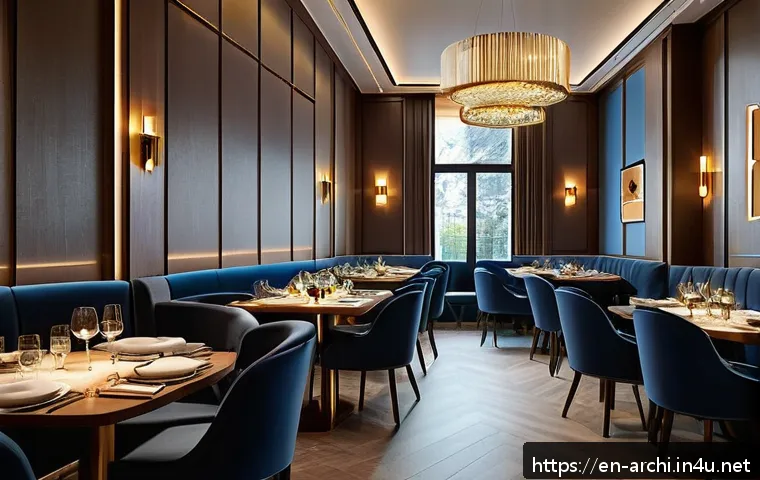
Restaurants, hotels, and lounges thrive on atmosphere. Lighting must be adaptable—bright enough for safety and service, yet intimate for relaxation. Using layered, warm lighting and creative fixtures can transform spaces dramatically.
Through several hospitality projects, I learned that adjustable lighting scenes, combined with decorative elements like chandeliers or pendant clusters, engage guests emotionally and leave lasting impressions.
Technical Considerations in Lighting Design
Understanding Lighting Metrics and Standards
Key metrics like lumens, lux, CRI, and glare index guide informed decisions. Lumens measure brightness output, while lux indicates illumination at a surface level.
CRI assesses color accuracy, and glare index evaluates discomfort caused by light sources. Familiarity with these parameters helps avoid common pitfalls such as insufficient brightness or harsh glare.
I always start with a lighting calculation to ensure compliance with local building codes and user needs.
Fixture Placement and Mounting Techniques
Where and how fixtures are installed affects both performance and aesthetics. Recessed lights provide subtle illumination without cluttering ceilings, while pendant lights can serve as focal points.
Wall washers or uplights add drama by highlighting textures or architectural features. My approach involves creating detailed lighting plans and mock-ups to visualize effects and adjust placement before installation, preventing costly mistakes.
Maintenance and Longevity Planning
Long-term success depends on ease of maintenance and durability. Selecting fixtures with accessible components and robust materials reduces downtime and replacement costs.
I’ve encountered projects where poor maintenance planning led to uneven lighting and higher expenses. Incorporating standardized bulbs or modular systems simplifies servicing and extends lifespan, ensuring consistent quality over time.
Exploring Creative and Artistic Lighting Applications
Using Light to Sculpt and Define Space
Lighting can act as an architectural tool, shaping perception and guiding movement. Shadow play, color washes, and focused beams create visual interest and depth.
In one project, I experimented with layered uplighting and downlighting to enhance staircases and corridors, transforming otherwise mundane areas into engaging experiences.
This approach invites occupants to explore and interact with the environment differently.
Integrating Color and Dynamic Effects
Color-changing LEDs and programmable lighting open new creative possibilities. Dynamic effects like fades, pulses, or color shifts evoke emotions and respond to events or time of day.
From personal trials, I found that subtle transitions work best for public spaces, avoiding sensory overload while maintaining excitement. This technology also supports branding efforts by reinforcing identity through color schemes.
Collaborating with Artists and Technologists
Blending lighting design with art installations or digital media creates immersive environments. Working alongside artists and technologists has expanded my understanding of light as a medium, not just a utility.
These collaborations often result in innovative, site-specific solutions that challenge conventional norms and delight users with unexpected experiences.
| Lighting Aspect | Key Considerations | Recommended Practices | Benefits |
|---|---|---|---|
| Natural Light | Window placement, shading, daylight quality | Use light shelves, adjustable louvers | Energy savings, enhanced comfort |
| Artificial Light Layers | Ambient, task, accent balance | Dimmable LEDs, layered fixtures | Flexibility, mood control |
| Color Temperature | Warm vs cool tones, activity-based zones | 2700K–3000K for relaxation, 4000K–5000K for focus | Emotional impact, spatial perception |
| Energy Efficiency | LED tech, daylight harvesting, sustainable materials | Use sensors, recycled materials | Cost reduction, environmental responsibility |
| Technical Metrics | Lumens, lux, CRI, glare | Perform lighting calculations, select high CRI | Visual comfort, compliance |
| Creative Applications | Light sculpting, dynamic effects, collaborations | Programmable LEDs, art integration | Unique experiences, brand enhancement |
In Conclusion
Balancing natural and artificial lighting is essential for creating comfortable, efficient, and visually appealing spaces. Thoughtful design not only enhances mood and productivity but also supports sustainability goals. By integrating advanced technologies and carefully selecting fixtures, anyone can transform an environment to suit both function and style. Lighting truly shapes how we experience the spaces around us.
Helpful Information to Remember
1. Maximizing daylight with architectural features reduces energy use and improves comfort.
2. Layered artificial lighting—ambient, task, and accent—allows flexible control for different activities.
3. Choosing the right color temperature influences emotions and supports specific functions.
4. Incorporating smart controls and daylight harvesting boosts efficiency and user convenience.
5. Selecting sustainable materials and high-quality fixtures ensures longevity and environmental responsibility.
Key Takeaways
Effective lighting design requires a holistic approach that balances natural light with artificial layers to meet diverse needs. Understanding technical metrics like lumens and CRI is crucial for visual comfort and compliance. Energy-efficient solutions such as LEDs and automated controls reduce costs and environmental impact. Finally, creative lighting applications can enhance spatial perception and emotional engagement, making lighting a powerful tool in both residential and commercial settings.
Frequently Asked Questions (FAQ) 📖
Q: uestions about Lighting Design in Sustainable
A: rchitecture
Q: How can lighting design improve energy efficiency in buildings?
A: Lighting design plays a pivotal role in reducing energy consumption by strategically using natural daylight and selecting energy-efficient fixtures like LEDs.
Incorporating smart controls such as dimmers, motion sensors, and timers allows lights to adjust based on occupancy and daylight availability, minimizing waste.
From my experience, combining layered lighting with automated systems not only cuts electricity bills but also enhances occupant comfort by adapting the ambiance throughout the day.
Q: What are the key elements to consider when designing lighting for both aesthetics and functionality?
A: Balancing beauty and practicality requires attention to light intensity, color temperature, and placement. Ambient lighting sets the overall mood, task lighting supports specific activities, and accent lighting highlights architectural features or décor.
I’ve found that experimenting with warm tones for cozy spaces and cooler tones for work areas creates the right atmosphere. Also, avoiding glare and shadows by positioning fixtures thoughtfully ensures the space feels inviting and efficient.
Q: How does sustainable lighting design contribute to a building’s overall environmental impact?
A: Sustainable lighting reduces environmental footprints by lowering energy use and extending fixture lifespan, which means fewer resources consumed over time.
Using recyclable materials and integrating daylight harvesting systems further promotes eco-friendliness. In projects I’ve worked on, clients appreciated how smart lighting choices complemented other green strategies, like solar panels and insulation, resulting in certifications such as LEED or WELL that validate the building’s commitment to sustainability.