In today’s rapidly evolving urban landscapes, the magic behind iconic buildings lies in the seamless collaboration between architects and contractors.

With cutting-edge technology reshaping design and construction, understanding how these professionals unite creativity and practicality is more crucial than ever.
Whether it’s a towering skyscraper or a groundbreaking cultural center, their partnership shapes not just structures but entire communities. Join me as we explore the dynamic teamwork that turns visionary blueprints into awe-inspiring realities, unlocking the secrets to architectural success.
This journey will reveal insights that anyone interested in design, construction, or urban development will find truly captivating.
Integrating Vision with Practicality: The Blueprint of Success
Bridging Creative Concepts and Constructive Realities
The dance between an architect’s imaginative vision and a contractor’s pragmatic execution is where true architectural brilliance is born. Architects dream in forms, spaces, and experiences, often pushing the boundaries of what seems feasible.
Contractors, on the other hand, ground these dreams by assessing materials, timelines, budgets, and safety codes. When both perspectives meet early and openly, the result is a harmonious balance that elevates a project beyond mere functionality into something iconic.
From my firsthand experience collaborating on mixed-use developments, I’ve seen how early-stage dialogues about design intent versus on-site logistics prevent costly delays and foster innovative problem-solving.
It’s like tuning an orchestra where each player must understand the whole symphony to deliver a flawless performance.
Technology as the Unifying Language
The rise of Building Information Modeling (BIM) and virtual reality tools has transformed how architects and contractors communicate. These technologies create a shared digital environment where every stakeholder visualizes the project in 3D before a single brick is laid.
I’ve found that walking through a VR model together with the construction team uncovers potential clashes—like a hidden duct interfering with a window frame—that might have gone unnoticed in traditional blueprints.
This proactive approach not only saves time and money but also builds trust. It’s fascinating how digital collaboration tools have shifted the dynamic from adversarial to cooperative, enabling both sides to speak the same technical and aesthetic language fluently.
Streamlining Communication to Prevent Costly Missteps
Regular Coordination Meetings as a Cornerstone
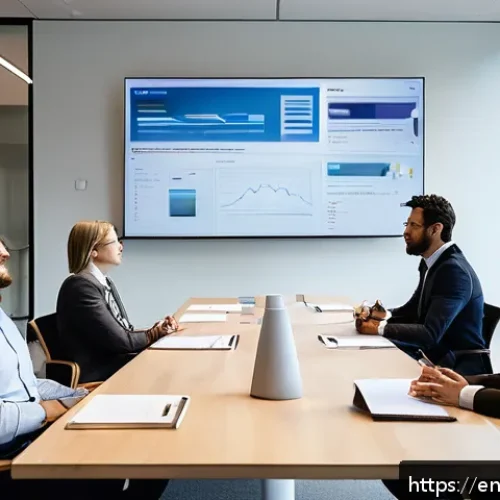
Successful projects hinge on clear, consistent communication channels. Setting up weekly or bi-weekly coordination meetings has been a game-changer in my projects, allowing architects and contractors to stay aligned on progress, changes, and unexpected challenges.
These meetings foster a culture where questions are encouraged, and solutions are crowdsourced from diverse expertise. For example, during a recent urban redevelopment project, a contractor’s suggestion to tweak a facade material not only reduced costs but also enhanced durability—a win-win that only emerged from open dialogue.
Such interactions break down silos and create a shared sense of ownership over the final product.
Documenting Decisions and Changes Thoroughly
In the whirlwind of fast-paced construction timelines, undocumented decisions or verbal agreements often lead to confusion and disputes. I’ve learned that maintaining meticulous records—whether through project management platforms or detailed minutes—is invaluable.
These documents act as a reference point for everyone, ensuring that design alterations, budget reallocations, and scheduling shifts are transparent and traceable.
This practice not only minimizes misunderstandings but also provides accountability, which is crucial for maintaining trust throughout the project lifecycle.
Balancing Innovation with Compliance and Safety
Innovative Designs Within Regulatory Frameworks
Architects frequently aspire to create groundbreaking designs that challenge conventions. However, these innovations must coexist with local building codes, zoning laws, and environmental regulations.
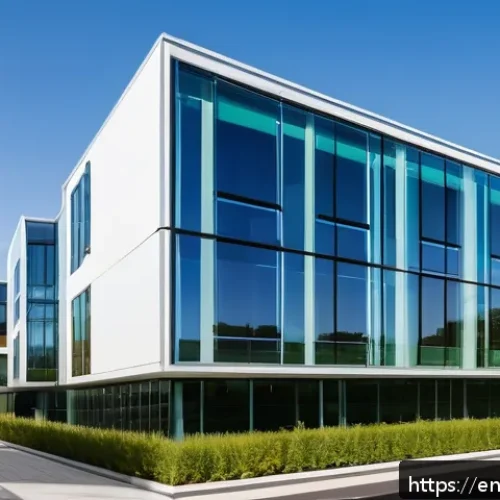
Contractors bring indispensable knowledge about what’s permissible and practical on the ground. I recall a project where an architect’s concept for an expansive glass facade was initially met with skepticism due to energy efficiency standards.
Through collaborative brainstorming sessions, we introduced advanced glazing technologies and shading devices that met code without compromising the design intent.
This synergy between creativity and compliance is essential for pioneering yet responsible architecture.
Prioritizing Worker Safety Through Collaborative Planning
Safety is a non-negotiable priority on any construction site. Architects can contribute by designing with construction safety in mind—such as planning access routes and material staging areas—while contractors ensure these plans translate into safe practices.
On one job site, we coordinated closely to sequence work phases that minimized risks, like scheduling heavy steel erection when weather conditions were optimal and ensuring clear communication about hazardous zones.
This partnership reduces accidents, protects workers, and ultimately keeps the project on track.
Adaptive Problem-Solving in Real-Time
Responding to On-Site Challenges with Flexibility
No construction project unfolds exactly as planned. Unexpected issues—be it soil conditions, supply chain delays, or weather—demand swift, collaborative responses.
I’ve witnessed how architects and contractors who maintain mutual respect and open communication channels can pivot creatively to keep projects moving forward.
For instance, when a key material shipment was delayed, the team explored alternative finishes that preserved aesthetic goals without compromising quality.
Such agility transforms obstacles into opportunities, underscoring the value of teamwork under pressure.
Leveraging On-Site Insights for Design Refinements

Contractors often uncover practical insights during construction that can inform design improvements. When these observations are welcomed rather than dismissed, the final building benefits immensely.
In one project, a contractor’s feedback on spatial usability led to subtle but impactful adjustments in corridor widths and lighting placements, enhancing occupant comfort.
This iterative feedback loop exemplifies how field experience enriches architectural vision, creating spaces that are both beautiful and highly functional.
Building Trust Through Transparency and Shared Goals
Aligning Expectations Early On
From my experience, the foundation of a successful architect-contractor relationship is setting clear, realistic expectations at the project’s outset.
This includes open discussions about budget constraints, material availability, and timeline feasibility. When both parties understand the constraints and aspirations upfront, it reduces friction and fosters a partnership mindset.
Early mutual respect encourages proactive problem-solving rather than blame-shifting when challenges arise.
Celebrating Milestones Together
Acknowledging project milestones cultivates camaraderie and motivation. Whether it’s topping out a structure or completing complex installations, celebrating these moments reinforces a shared commitment to excellence.
I’ve noticed that teams who pause to recognize their collective efforts tend to maintain higher morale and stronger collaboration through to project completion.
This human element often gets overlooked but is vital for sustained success.
Comparative Overview of Collaboration Tools and Practices
| Aspect | Traditional Approach | Modern Collaborative Approach |
|---|---|---|
| Communication | Infrequent meetings, phone calls, emails | Weekly coordination meetings, cloud-based platforms, real-time updates |
| Design Visualization | 2D blueprints, physical models | 3D BIM models, virtual reality walkthroughs |
| Documentation | Paper records, isolated files | Centralized digital records, shared project management tools |
| Problem Resolution | Reactive, siloed decision-making | Proactive, collaborative brainstorming sessions |
| Safety Planning | Post-design safety measures | Integrated safety considerations during design and construction |
Fostering Long-Term Partnerships Beyond a Single Project
Building Relationships That Extend Past Completion
A truly effective collaboration doesn’t end when the ribbon is cut. Many architects and contractors I know maintain ongoing partnerships, supporting post-occupancy evaluations, maintenance planning, and even future projects.
This continuity deepens trust and improves efficiency over time, as both sides learn from past experiences and streamline workflows. Clients also benefit from this stability, as consistent teams deliver higher quality and more predictable outcomes.
Sharing Knowledge to Elevate the Industry
Experienced collaborators often contribute to industry forums, workshops, and publications, sharing lessons learned and best practices. I’ve personally engaged in panels where architects and contractors discuss innovations in sustainable building or modular construction, helping to push the entire field forward.
This collective knowledge exchange fosters a culture where continuous improvement and mutual respect drive the evolution of urban landscapes worldwide.
Conclusion
Successfully integrating vision with practicality is the cornerstone of outstanding architectural projects. When architects and contractors collaborate transparently and early, they create not just buildings but lasting legacies. Embracing technology, clear communication, and mutual respect transforms challenges into opportunities. Ultimately, this synergy elevates every project from concept to reality with efficiency and creativity.
Helpful Information
1. Early collaboration between architects and contractors reduces costly delays and enhances project quality.
2. Utilizing Building Information Modeling (BIM) and virtual reality fosters better design understanding and problem-solving.
3. Regular coordination meetings ensure alignment on progress and encourage innovative solutions.
4. Documenting all decisions and changes clearly maintains accountability and prevents misunderstandings.
5. Prioritizing safety and compliance alongside innovation safeguards workers and ensures project success.
Key Takeaways
Building strong partnerships through open communication and shared goals is essential for project success. Leveraging modern technology and maintaining thorough documentation create transparency and trust. Balancing creative design with regulatory requirements and safety ensures responsible innovation. Finally, viewing challenges as collaborative opportunities strengthens teamwork and delivers superior results, paving the way for long-term professional relationships.
Frequently Asked Questions (FAQ) 📖
Q: uestionsQ1: How do architects and contractors collaborate effectively during a construction project?
A: Successful collaboration hinges on clear communication and mutual respect. Architects provide the creative vision and technical plans, while contractors bring practical know-how to realize those plans on-site.
Regular meetings, shared digital platforms, and early involvement of contractors in design discussions help prevent costly misunderstandings. From my experience, when both parties actively listen and adapt to each other’s input, the project flows smoothly and the final result aligns closely with the original vision.
Q: What role does technology play in enhancing the partnership between architects and contractors?
A: Technology acts as a bridge that connects design and construction like never before. Tools such as Building Information Modeling (BIM) allow architects and contractors to visualize projects in 3D, spot clashes before construction begins, and update plans in real time.
I’ve seen firsthand how this reduces errors and accelerates timelines, making teamwork more transparent and efficient. Additionally, mobile apps keep everyone connected on the job site, ensuring that changes are communicated instantly.
Q: Why is the architect-contractor relationship important for shaping communities, not just buildings?
A: Buildings don’t exist in isolation—they influence how people live, work, and interact. When architects and contractors collaborate closely, they ensure that structures are not only beautiful and functional but also sustainable and community-friendly.
From my observations, projects with strong partnerships often incorporate thoughtful urban design elements, accessibility features, and environmentally conscious materials that benefit neighborhoods long-term.
This kind of teamwork ultimately helps create spaces that inspire and serve the people who use them every day.