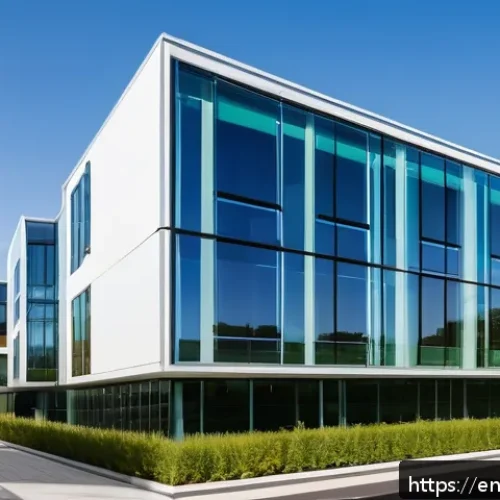
In today’s fast-evolving architectural landscape, staying ahead of building codes is more crucial than ever. With regulations constantly adapting to new safety standards and sustainability goals, navigating compliance can feel like a daunting maze.

Yet, real-world projects demonstrate how smart strategies and proactive planning lead to seamless approvals and successful builds. Whether you’re an architect, developer, or simply passionate about construction, understanding these stories can offer valuable insights.
Let’s dive into how industry professionals turn complex rules into opportunities for innovation and excellence.
Mastering the Art of Code Interpretation in Complex Projects
Decoding Overlapping Regulations
When I first tackled a mixed-use development in an urban setting, I was faced with layers of regulations—fire safety, zoning restrictions, environmental mandates, and accessibility codes—all overlapping and sometimes contradicting each other.
The key was not to view these rules as hurdles but as a puzzle to solve creatively. We held cross-disciplinary workshops with engineers, legal consultants, and city officials to clarify ambiguous clauses and identify where flexibility existed.
This collaborative approach saved weeks of back-and-forth and fostered a shared understanding that paved the way for smoother inspections. It’s amazing how much clarity you gain when you break down complex language into practical, actionable items.
Leveraging Early Engagement with Authorities
From personal experience, one of the best moves you can make is to engage building departments early in the design phase. Instead of waiting for formal submissions, informal consultations can highlight potential red flags before they become costly delays.
In one project, a quick pre-application meeting revealed that our proposed façade materials wouldn’t meet new fire-resistance standards coming into effect shortly after our planned approval date.
Adjusting the design early avoided a last-minute scramble and kept the project on schedule. This proactive communication is a game changer—rather than reacting to changes, you anticipate and adapt.
Balancing Innovation with Code Compliance
Innovative design often pushes the boundaries of traditional codes, especially when sustainability and energy efficiency are involved. I once worked on a net-zero energy building where standard HVAC regulations didn’t fully account for advanced renewable technologies.
The team documented every technical detail meticulously and provided performance simulations to demonstrate safety and efficiency. This evidence-based approach convinced regulators to approve a variance that otherwise would have been denied.
It taught me that embracing innovation requires not just creativity but also thorough technical justification and clear communication.
Integrating Sustainability Goals into Regulatory Frameworks
Understanding Green Building Certifications
Green certifications like LEED, WELL, and BREEAM often intersect with local building codes but aren’t replacements for them. I noticed in several projects that clients were eager to achieve high sustainability ratings but underestimated the additional documentation and inspections required.
We created checklists aligning certification requirements with mandatory code elements to streamline the process. This dual compliance strategy not only ensured all bases were covered but also enhanced the building’s market value.
Sustainability goals can be seamlessly integrated with code compliance if approached methodically.
Adapting to Evolving Energy Codes
Energy codes are among the fastest-changing regulations, reflecting advances in technology and climate policies. When working on a commercial office tower, I tracked updates to energy efficiency standards over the project timeline.
Midway through construction, new insulation requirements were introduced that affected thermal performance. Instead of resisting the change, the team re-evaluated material choices and even negotiated with suppliers for better-performing products within budget.
This flexibility helped avoid costly rework and improved the building’s long-term operational costs.
Communicating Sustainability Benefits to Stakeholders
One challenge I’ve encountered is convincing stakeholders—especially those focused on upfront costs—about the value of meeting or exceeding green code requirements.
I found that sharing case studies from previous projects, where sustainable designs led to lower utility bills and higher tenant retention, makes a compelling argument.
Visual aids such as energy savings projections and lifecycle cost comparisons resonate more than technical jargon. It’s about framing sustainability not as an expense but as an investment with tangible returns.
Streamlining Permitting Processes Through Strategic Documentation
Organizing Clear and Concise Submissions
The volume of paperwork required for permits can be overwhelming. I learned early on that the quality of documentation directly impacts review times. Providing overly complex or incomplete documents invites questions and delays.
Instead, we developed standardized templates and checklists that guided project teams in submitting clear, focused materials. These included annotated drawings, compliance matrices, and summary reports that anticipated reviewers’ concerns.
The effort upfront paid off with faster approvals and fewer revision cycles.
Utilizing Digital Tools for Compliance Tracking
Digital project management platforms have transformed how we handle compliance tracking. On a recent hospital expansion, we used software to link every code requirement to specific drawings and inspection reports.
This transparency helped the entire team stay aligned and allowed regulators to access information easily during site visits. It also provided an audit trail that was invaluable during final sign-offs.
Embracing technology not only improves accuracy but also builds trust with authorities.
Coordinating Interdisciplinary Teams Effectively
Building code compliance often involves multiple disciplines—structural, mechanical, electrical, and fire safety engineers, among others. I’ve found that establishing a central coordination role, often a code consultant or project manager, prevents miscommunication and duplication of effort.
Regular interdisciplinary meetings focused on compliance status and upcoming inspections kept everyone on the same page. This approach reduces surprises and creates a cohesive narrative that inspectors appreciate.
Adapting to Accessibility and Safety Standards with Practical Solutions
Innovative Approaches to Accessibility

Accessibility codes can sometimes seem prescriptive, but there’s room for innovation that benefits all users. In a community center project, we introduced tactile wayfinding elements and adjustable-height fixtures that went beyond minimum requirements.
These features enhanced user experience and earned praise from both regulators and the public. My takeaway is that accessibility should be viewed as a design opportunity rather than a checkbox.
Enhancing Fire Safety with Integrated Technologies
Fire codes have become more sophisticated, incorporating smart detection and suppression systems. On a high-rise residential project, integrating these technologies early allowed for more flexible egress strategies and optimized spatial layouts.
The fire department’s early involvement helped us tailor solutions that met stringent safety goals without compromising design aesthetics. This collaborative, tech-forward approach reassured both occupants and authorities.
Managing Risk Through Comprehensive Safety Planning
Beyond minimum code compliance, I’ve seen the value of developing comprehensive safety plans that address unique project risks. For example, in a manufacturing facility with hazardous materials, we worked closely with safety consultants to exceed baseline requirements.
This proactive stance not only safeguarded workers but also mitigated liability concerns. It’s a reminder that safety is an ongoing commitment, not a one-time checklist.
Effective Communication Strategies with Regulatory Bodies
Building Relationships Beyond Formal Reviews
Developing rapport with inspectors and regulators can dramatically ease the approval process. I recall a project where informal site visits and open dialogues created a collaborative atmosphere.
Inspectors provided early feedback, which we incorporated promptly, reducing friction and building mutual respect. This relationship-building requires consistent professionalism and transparency but pays dividends in smoother project delivery.
Preparing for and Managing Site Inspections
Inspections can be nerve-wracking, but preparation makes all the difference. We created detailed pre-inspection checklists and conducted mock walkthroughs to identify and fix issues beforehand.
During inspections, having key team members on hand to answer questions and provide documentation fosters confidence. In one case, this preparation helped us pass a critical inspection on the first try, avoiding costly hold-ups.
Handling Disputes and Negotiating Solutions
Sometimes, disagreements over code interpretations arise. I’ve learned that approaching these situations with a problem-solving mindset rather than confrontation leads to better outcomes.
Providing alternative solutions backed by technical data often opens doors for compromise. For example, when a fire marshal questioned our egress design, we presented simulations demonstrating equivalent safety levels, leading to approval with minor adjustments.
Optimizing Project Costs While Ensuring Compliance
Cost-Benefit Analysis of Code-Driven Design Choices
Balancing budget constraints with code compliance is a familiar challenge. In my experience, investing in higher-quality materials or advanced systems upfront often reduces long-term costs related to maintenance, energy use, or retrofits.
Conducting thorough cost-benefit analyses early in the design phase helps clients make informed decisions that align with both financial and regulatory goals.
Identifying Funding and Incentives for Compliance Upgrades
Many jurisdictions offer incentives for buildings that exceed minimum standards, especially in energy efficiency and accessibility. I always advise clients to research available grants, tax credits, or rebates.
On a recent project, securing a state energy efficiency rebate offset the cost of premium insulation and renewable energy systems. These financial benefits make compliance enhancements more attractive and feasible.
Phased Compliance Strategies for Large-Scale Projects
For large developments, breaking compliance into manageable phases can optimize cash flow and resource allocation. We structured one complex project to meet core code requirements initially while planning for future upgrades aligned with evolving regulations.
This phased approach allowed flexibility and reduced upfront financial pressure without sacrificing safety or legal adherence.
| Aspect | Challenge | Strategy | Outcome |
|---|---|---|---|
| Overlapping Regulations | Conflicting requirements causing confusion | Cross-disciplinary workshops and early clarification | Reduced delays and smoother inspections |
| Early Engagement | Late discovery of code conflicts | Informal consultations with authorities | Design adjustments before formal submission |
| Innovation vs Compliance | Standard codes not accommodating new tech | Technical documentation and performance simulations | Approval of variances and innovative solutions |
| Sustainability Integration | Complex certification and code overlap | Checklist alignment and dual compliance planning | Enhanced building value and smooth certification |
| Documentation Quality | Incomplete or unclear permit submissions | Standardized templates and comprehensive reports | Faster permit approvals |
| Safety Planning | Unique risks beyond code minimums | Collaboration with safety consultants and enhanced plans | Improved safety and reduced liability |
In Conclusion
Mastering code interpretation in complex projects demands a blend of collaboration, proactive communication, and creative problem-solving. Embracing regulatory challenges as opportunities rather than obstacles leads to smoother workflows and innovative outcomes. By integrating sustainability and leveraging technology, projects not only comply but also excel. Ultimately, clear documentation and strong relationships with authorities are key to timely approvals and successful project delivery.
Useful Information to Keep in Mind
1. Early engagement with regulatory bodies can prevent costly delays by identifying potential issues before formal submissions.
2. Aligning green building certifications with local codes streamlines approvals and enhances property value.
3. Digital tools for compliance tracking improve transparency and team coordination.
4. Comprehensive safety planning beyond minimum code requirements reduces risk and liability.
5. Phased compliance strategies help manage budgets and adapt to evolving regulations efficiently.
Key Takeaways
Effective code interpretation relies on breaking down complex regulations through multidisciplinary collaboration and clear communication. Prioritizing early involvement with authorities and thorough documentation accelerates approvals. Innovation in design must be paired with solid technical justification to gain acceptance. Integrating sustainability goals requires a strategic approach that balances certifications and local codes. Finally, fostering positive relationships with inspectors and planning for safety comprehensively ensures smoother project execution and lasting success.
Frequently Asked Questions (FAQ) 📖
Q: How can architects stay updated with the constantly changing building codes?
A: Staying current with building codes requires a mix of ongoing education and practical engagement. Many architects subscribe to industry newsletters, attend workshops, and participate in professional organizations that focus on code updates.
From my experience, setting aside time each week to review new regulations and case studies helps avoid surprises during project planning. Additionally, collaborating with code consultants early in the design phase ensures that any changes are accounted for before construction begins, saving time and costly revisions later.
Q: What are some effective strategies to handle complex compliance requirements during a construction project?
A: One strategy that has consistently worked well involves breaking down the compliance requirements into manageable parts and integrating them into the project timeline from day one.
For example, involving multidisciplinary teams—including engineers, sustainability experts, and legal advisors—creates a comprehensive approach that addresses every facet of the codes.
I’ve found that proactive communication with local building officials can also clarify ambiguous rules and speed up approval processes. Using digital tools to track compliance checklists in real-time can prevent overlooked details that often cause delays.
Q: How can developers turn strict building codes into opportunities rather than obstacles?
A: Rather than viewing regulations as hurdles, savvy developers use them to differentiate their projects. For instance, embracing green building codes not only ensures compliance but can also enhance a building’s market appeal by highlighting energy efficiency and sustainability.
I recall a project where adherence to new fire safety standards led to innovative design features that improved occupant safety and reduced insurance costs.
This kind of forward-thinking approach can attract tenants and investors who value quality and responsibility, ultimately boosting the project’s long-term success.