When evaluating an architect’s expertise, it’s not just about creative designs or impressive portfolios. True professionalism blends technical skill, innovative thinking, and a deep understanding of building regulations and sustainability.

Clients and firms alike look for architects who can balance aesthetics with functionality while managing projects efficiently. In today’s evolving construction landscape, adaptability and collaboration have become key markers of success.
Curious about what really sets top architects apart? Let’s dive in and explore the essential criteria in detail!
Balancing Vision with Practicality
Translating Concepts into Buildable Designs
One thing I’ve noticed working with architects over the years is that the best ones don’t just dream up beautiful ideas—they turn those visions into realities that stand up structurally and functionally.
It’s a skill to take an artistic concept and translate it into detailed plans that contractors can follow without guesswork. For instance, an architect might envision an airy, open-plan living space flooded with natural light, but they also need to consider load-bearing walls, material choices, and how to optimize airflow and insulation.
The ability to marry creativity with solid engineering principles shows true mastery beyond surface-level aesthetics.
Prioritizing User Experience and Functionality
Architecture isn’t just about how a building looks—it’s about how it feels and works for the people inside it. I’ve often seen clients rave about architects who ask thoughtful questions about daily routines, future growth, or accessibility needs.
These architects design with empathy, ensuring spaces flow intuitively and serve multiple purposes. For example, a well-designed kitchen or office space reflects the user’s lifestyle and maximizes efficiency without sacrificing style.
This human-centered approach really separates the pros from the rest.
Managing Budget Without Compromising Quality
Budget is always a sticking point in construction projects, yet top architects know how to navigate financial constraints without cutting corners. They’re experts at prioritizing where to invest and where to economize, which often means choosing alternative materials or simplifying complex design elements.
I remember one project where the architect recommended using sustainable reclaimed wood instead of expensive imported hardwood—it saved money, boosted the building’s eco-credentials, and created a warm, unique aesthetic.
This kind of savvy budgeting is a crucial part of professionalism.
Technical Mastery Beyond the Surface
Deep Knowledge of Building Codes and Regulations
One of the less glamorous but absolutely vital areas where architects prove their expertise is in mastering local building codes, zoning laws, and safety regulations.
It’s a maze of rules that changes depending on the city or state, and getting it wrong can lead to costly delays or even legal trouble. Architects who stay current with these standards protect their clients and ensure smooth project approvals.
I’ve worked with architects who double-check every detail, from fire safety requirements to accessibility standards, which gives me peace of mind that the project won’t hit snags.
Incorporating Sustainability and Green Building Practices
Sustainability has gone from a buzzword to a baseline expectation, and skilled architects are now fluent in energy-efficient design, renewable materials, and passive heating and cooling strategies.
In my experience, architects who embrace these principles don’t just tick a box—they creatively weave sustainability into every aspect of the project.
For example, one architect I collaborated with used solar orientation and natural ventilation to drastically cut energy use, while another incorporated rainwater harvesting systems seamlessly into the landscaping.
These choices reflect a commitment to the future, not just the present.
Utilizing Advanced Technology and Software
The best architects leverage cutting-edge tools like BIM (Building Information Modeling), 3D visualization, and virtual reality walkthroughs to refine their designs and communicate clearly with clients and contractors.
I’ve found that architects who use these technologies can spot potential design clashes early and tweak plans in real time, saving time and money. Plus, clients get a much clearer sense of what the finished building will look and feel like, which builds trust and reduces surprises.
Mastering Project Coordination and Communication
Leading Multidisciplinary Teams Effectively
Successful architects are often the glue holding complex projects together. They coordinate engineers, contractors, interior designers, and sometimes even city planners, keeping everyone aligned and moving forward.
From my observations, top architects excel at fostering collaboration rather than dictating terms. They listen, mediate conflicts, and find solutions that satisfy multiple stakeholders.
This diplomatic skill is just as important as drawing skills because it directly impacts timelines and budgets.
Transparent and Consistent Client Communication
Clients appreciate architects who keep them in the loop without overwhelming them with jargon. From my own experience, the architects I respect most regularly provide updates, explain design decisions clearly, and are upfront about challenges or changes.
This transparency builds trust and often leads to smoother project completion. It’s a subtle art to balance professional authority with approachability, but the best architects nail it.
Efficient Time and Resource Management
Deadlines and resources can make or break a project. Architects who manage schedules realistically and anticipate bottlenecks reduce stress for everyone involved.
I’ve seen projects stall because the architect underestimated the time needed for permits or material delivery. In contrast, experienced architects build contingency plans and communicate proactively, which keeps projects on track and clients happy.
Innovative Problem-Solving in Dynamic Environments
Adapting Designs to Unexpected Challenges
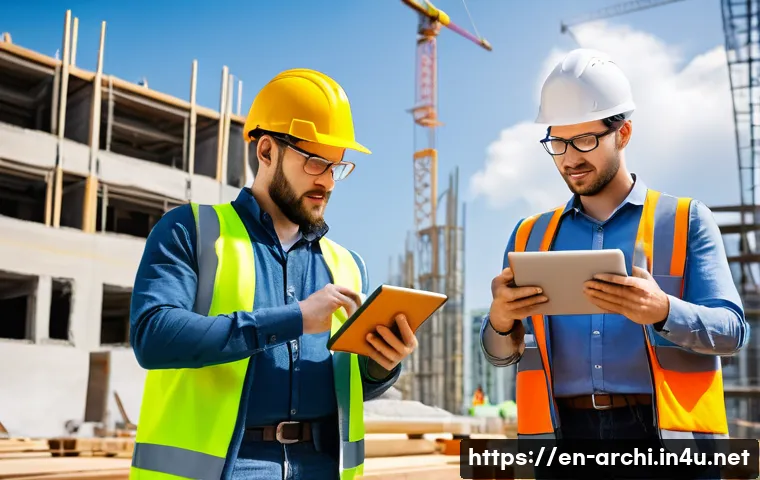
Construction is rarely straightforward—unexpected site conditions, regulatory changes, or client requests can throw curveballs. Architects who thrive under pressure don’t panic; instead, they creatively adapt their designs to meet new realities without compromising core goals.
I recall a project where soil instability forced a complete foundation redesign. The architect quickly proposed an alternative foundation system that saved costs and preserved the original aesthetic vision.
This agility is a hallmark of true expertise.
Exploring New Materials and Construction Techniques
The architectural field constantly evolves with new materials and methods emerging regularly. Architects who stay curious and experiment with innovations can push boundaries while improving sustainability and efficiency.
For example, using cross-laminated timber (CLT) in mid-rise buildings has become a game-changer, combining strength with environmental benefits. Architects who integrate such innovations demonstrate leadership and forward-thinking that clients and contractors value highly.
Encouraging Client Involvement in the Creative Process
Rather than dictating every detail, some architects foster a collaborative relationship with clients, inviting their input and ideas throughout the project.
This participatory approach often leads to more personalized spaces and stronger client satisfaction. I’ve found that architects who genuinely listen and incorporate client feedback—even when it means revisiting plans—build better partnerships and create buildings that feel truly lived-in.
Commitment to Ethical and Professional Standards
Maintaining Transparency and Honesty
Trust is the foundation of any professional relationship. Top architects are candid about their capabilities, costs, and timelines. In my dealings, I’ve seen architects who openly discuss potential risks or limitations rather than glossing over them.
This honesty prevents misunderstandings and fosters long-term client loyalty. Ethical behavior also includes respecting intellectual property and giving credit where it’s due, which builds a positive reputation.
Continuous Learning and Certification
The architectural profession demands ongoing education to keep pace with new codes, technologies, and best practices. Architects who invest in continuing education and maintain certifications demonstrate commitment and expertise.
I admire those who attend workshops, join professional organizations, or even teach, as this dedication reflects passion beyond just completing projects.
Respecting Environmental and Social Responsibility
Beyond individual projects, many leading architects embrace a broader responsibility to society and the environment. They consider how their work impacts communities and strive to minimize negative effects.
Whether it’s designing affordable housing, preserving cultural heritage, or championing green urban spaces, architects who take this holistic view contribute meaningfully to the built environment and public welfare.
Essential Qualities of Successful Architects at a Glance
| Quality | Why It Matters | Example in Practice |
|---|---|---|
| Technical Knowledge | Ensures designs are safe, compliant, and buildable | Expertise in local codes prevents costly project delays |
| Creative Vision | Drives unique, inspiring architectural solutions | Innovative use of materials creates standout aesthetics |
| Communication Skills | Facilitates smooth collaboration and client trust | Clear updates help manage expectations and reduce confusion |
| Project Management | Keeps timelines and budgets under control | Proactive scheduling avoids construction bottlenecks |
| Sustainability Focus | Promotes energy efficiency and environmental stewardship | Incorporation of solar design reduces energy costs |
| Adaptability | Allows creative solutions to unforeseen challenges | Quick redesigns in response to site conditions save costs |
| Ethical Integrity | Builds lasting client relationships and industry respect | Transparent discussions about risks and budgets |
글을 마치며
Architectural excellence is a balance of vision, technical skill, and practical execution. The best architects don’t just design buildings—they create living, breathing spaces that serve people’s needs while respecting budgets and regulations. Their ability to adapt, communicate, and innovate ensures projects not only succeed but inspire. Ultimately, a great architect’s work stands as a testament to thoughtful collaboration and unwavering professionalism.
알아두면 쓸모 있는 정보
1. Understanding local building codes early can prevent costly delays and legal issues down the line.
2. Incorporating sustainable materials and energy-efficient designs benefits both the environment and long-term operational costs.
3. Clear communication with clients throughout a project builds trust and helps manage expectations effectively.
4. Leveraging modern technologies like BIM and 3D visualization can streamline project coordination and reduce errors.
5. Flexibility in design allows architects to respond creatively to unexpected challenges, keeping projects on track.
핵심 내용 요약
Successful architecture hinges on blending creative vision with practical realities, including budget management and regulatory compliance. Effective communication and project leadership are essential to align all stakeholders and ensure smooth progress. Embracing sustainability and technological advancements elevates design quality while respecting environmental responsibilities. Finally, ethical transparency and continuous learning underpin lasting client relationships and professional growth.
Frequently Asked Questions (FAQ) 📖
Q: What key skills should I look for when choosing an architect?
A: When selecting an architect, it’s important to find someone who not only has a strong design portfolio but also demonstrates technical expertise, a solid grasp of building codes, and sustainability practices.
The best architects balance creativity with practical problem-solving, ensuring your project is both beautiful and functional. Additionally, look for good communication skills and project management experience, as these are crucial for keeping timelines and budgets on track.
Q: How important is an architect’s knowledge of sustainability and regulations?
A: Extremely important. Today’s construction projects must comply with complex regulations and increasingly prioritize eco-friendly solutions. An architect well-versed in sustainability can help reduce energy costs, minimize environmental impact, and even improve your building’s market value.
Their understanding of local codes also prevents costly delays and legal issues, making the entire process smoother and more efficient.
Q: Why is adaptability and collaboration essential in an architect’s work?
A: Construction projects often face unexpected challenges, from design changes to supply chain issues. An architect who adapts quickly and works well with contractors, engineers, and clients can navigate these hurdles without compromising quality.
Collaboration ensures all stakeholders are aligned, which leads to better decision-making and a more successful final outcome. From my experience, architects who embrace teamwork tend to deliver projects that exceed expectations.